Upgrade Your Property: Vital Details Regarding Home Renovation Work for All Property Owners
Many householders want to find methods to enhance their residences via professional remodeling. These renovations extend from kitchen upgrades to entire residential overhauls. Knowing the choices accessible is necessary to choosing intelligently. Furthermore, there exist practical considerations like budgeting and contractor selection. As homeowners commence on this journey, they may find themselves facing unforeseen difficulties. Achieving a successful makeover depends on careful planning and execution. What steps should be taken next?
Grasping the Diverse Forms of Residential Renovation Work
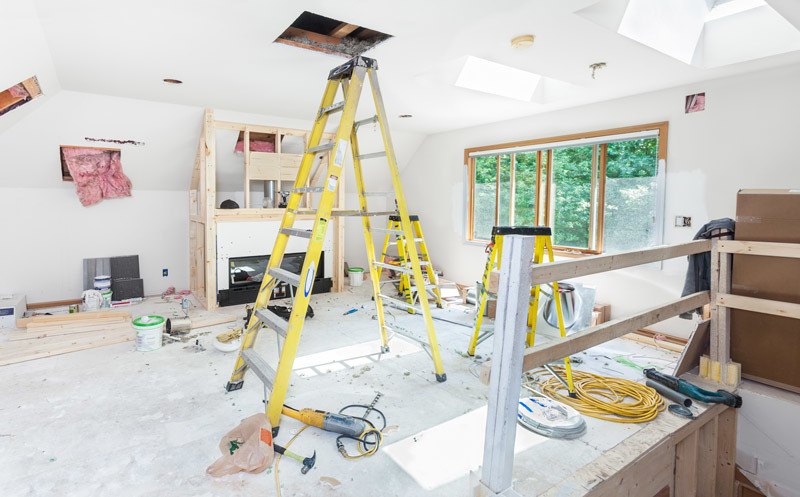
When property owners think about upgrading their residences, they frequently come across a variety of remodeling services tailored to different needs and preferences. These projects are generally grouped into various categories, each addressing specific aspects of home improvement. Kitchen remodeling focuses on upgrading equipment, storage units, and the design to enhance functionality and aesthetics. Renovating the bathroom usually includes improving the fittings, tiling, and shelving options for greater ease and style.
Full-house renovation covers significant changes throughout the residence, often including structural alterations to make the most of the space and layout. Outdoor renovation projects, on the other hand, concentrate on enhancing curb appeal, addressing siding, roofing, and the garden design. Additionally, specialized services such as completing the basement and attic conversions enable property owners to utilize fully underutilized spaces. All these service types delivers specific perks, enabling homeowners to choose options that align with their vision for their residence. Grasping these differences is essential when deciding intelligently while undertaking the upgrade.
Setting a Realistic Budget for Your Renovation Undertaking
How do property owners make certain their renovation work stays within budget? Setting a practical budget is crucial. Property owners must start by evaluating their financial capacity, covering savings and possible funding sources. This first stage helps establish the funds available for the renovation without compromising other financial responsibilities.
Afterward, those undertaking the remodel should investigate the expenses linked to their planned updates, taking into account materials, labor, and unexpected costs that frequently occur. Developing a comprehensive priority list helps with separating necessities from non-essential items, enabling modifications if the finances are strained.
It's wise to include a contingency fund, usually about 10-20% of the overall cost, to cover unexpected costs. Periodically examining and tweaking the budget during the renovation project is also useful for preserving fiscal oversight. In the end, a carefully structured budget ensures the project is feasible but also improves the entire renovation process for those living in the home.
Choosing the Right Contractor for Your Needs.
Choosing the appropriate professional can significantly affect how well a renovation turns out. Property owners ought to start by conducting thorough research, looking for suggestions from acquaintances, relatives, or web feedback. It’s vital to verify credentials, including licenses, insurance, and bonding, to confirm legitimacy.
After suitable professionals have been found, they should seek detailed cost breakdowns and timeframes, making it possible to compare options knowledgeably. Discussions reveal their approach to dialogue and their level of expertise, that are key to a cooperative effort.
In addition, looking at completed jobs through galleries or recommendations demonstrates the professional's skill level. Property owners must also ask about guarantees or assurances, reflecting the contractor's confidence in their work.
Finally, picking a builder whose approach fits the property owner's ideas, cost plan, and timeframe leads to a more favorable updating process, making certain the outcome satisfies needs and transforms the living space effectively.
Structuring and Laying Out Your Perfect Area.
When property owners picture their perfect areas, thorough preparation and well-considered layout form vital parts of a successful remodeling project. The beginning stage requires reviewing existing necessities and future desires, to gain a complete comprehension of the area's utility. It is important for homeowners to weigh practicality, visual appeal, and their individual taste, ensuring that the design reflects their individual tastes.
Subsequently, creating a detailed budget is vital. This budget should accommodate materials, workforce costs, and contingency funds. Consulting with design experts can provide valuable insights, helping to optimize the space while adhering to budgetary constraints.
Incorporating elements like natural light, open layouts, and sustainable materials can elevate the living environment. Lastly, visualizing the project through sketches or digital renderings can aid in refining ideas before implementation. By approaching the planning and design phase with intention, homeowners can create an inviting, efficient space suited to their way of life.
Understanding Regulations and Permits in House Renovation
Grasping the intricacies of permits and rules can be daunting for homeowners embarking on a renovation. Each municipality has specific rules that dictate what is permissible during renovations, frequently shaped by area restrictions, construction standards, and safety standards. It is essential for homeowners to understand local regulations to avoid costly fines or project delays.
In most cases, getting permits is mandatory for major changes, such as structural changes or electrical work. This process often involves submitting plans for review and might demand site visits at different phases.
Hiring an experienced builder can simplify this process, as they are often familiar with local codes and can aid in filing necessary forms. Owners must also maintain clear communication with the municipal planning office to guarantee compliance throughout the project. By grasping and navigating these regulations, homeowners can fulfill their improvement aims while ensuring safety and legality in their renovations.
Frequently Asked Questions
How Long Does a Typical Home Remodeling Project Take?
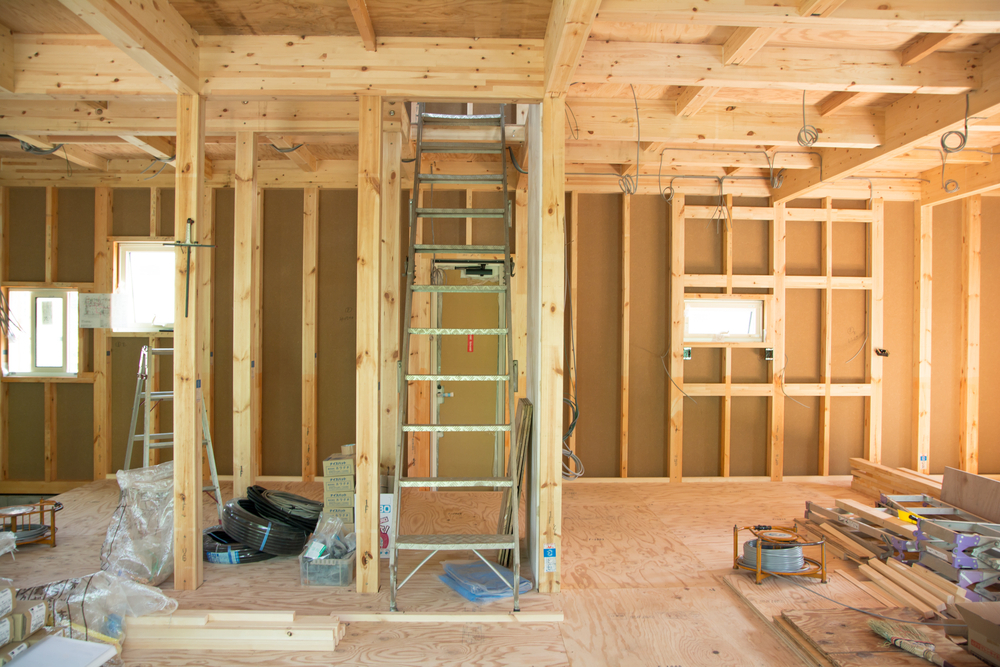
A standard home renovation generally requires between three to six months, based on the size of the job, scale of the house, and availability of materials. More involved renovations might need extra time make a move for completion.
What are some common mistakes you should steer clear of during remodeling?
Common mistakes during remodeling are things like failing to budget properly, neglecting permits, missing scheduled deadlines, poor communication with the construction team, and failing to think about long-term functionality. Awareness of these pitfalls helps ensure a less stressful, more successful renovation project.
What's the best way to select the right materials for the job?
Picking the best materials means considering how long they will last, the look and feel, and budget. Investigating available choices, talking to specialists, and considering maintenance needs will significantly help in reaching educated conclusions, making sure the renovation matches your functional and aesthetic goals.
Is it possible to stay in my house while the remodeling is happening?
Yes, one can live in the house while work is ongoing, but you should expect some hassle. Careful planning, effective coordination with the renovation team, and setting aside certain zones for essential activities can lessen the stress during the process.
What warranties should I expect by my builders?
Clients typically receive warranties for the labor performed, materials, and the integrity of the structure, typically ranging from one to ten years. It is essential to examine the exact provisions in partnership with the renovation company to know the full extent of the guarantee and its restrictions.
Comments on “Quality Finishing Touches for Maximum Impact”